
Marcher’s Refusal of Intimacy
The Beast in the JungleThis flow traces the tension between Marcher’s dependence on May and his resistance to making their relationship a shared life.
increasing Bearing strength in each event
 decreasing
Bearing strength in each eventdecreasingThe Need for a Witness

The Need for a Witness
Isolation Challenged
Marcher discovers that May remembers his secret and has kept it faithfully. He welcomes her knowledge as proof that he is no longer entirely alone.
He asks her to watch with him, showing that he wants her presence even while defining their bond through his own expectation. The request creates closeness without requiring reciprocal disclosure.
Dependence Begins
May accepts the role, and Marcher gains a confidante. The emotional conflict begins in the difference between the support he seeks and the love she offers.
The Rule Against Marriage

The Rule Against Marriage
A Principle of Self-Protection
Marcher reasons that a man waiting for a dangerous fate should not bring a woman along on the hunt. He uses the image of the Beast to make marriage seem unfair to May.
The rule sounds considerate, but it also prevents him from taking emotional risks. He can preserve May’s presence while denying the possibility of a shared future.
An Unequal Bond
May continues to watch with him, and Marcher accepts her care. The conflict remains hidden because he mistakes restraint for generosity.
May’s Unspoken Needs

May’s Unspoken Needs
A Question Redirected
Marcher asks how May’s life has been protected from becoming merely an extension of his. She responds by describing their intimacy and her own companionship with a man.
Her words hint at needs and feelings that are not reducible to his secret. Marcher hears the explanation but remains focused on whether their arrangement is fair to him.
The Conflict Deepens
May does not force him to confront the full meaning of her love. Her silence preserves their relationship while allowing the imbalance to continue.
The Final Misreading
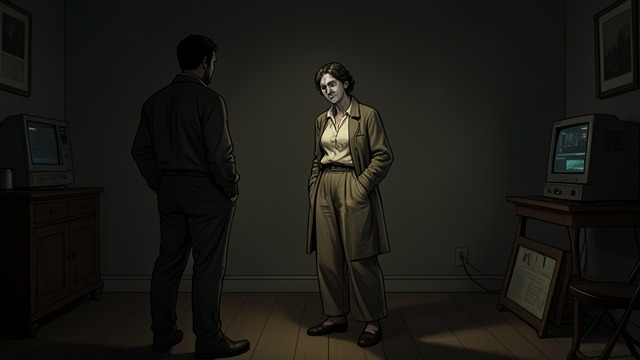
The Final Misreading
A Door Opened
May approaches Marcher with a revelation and appears to offer him an understanding beyond the fate he has imagined. Her frail presence gives the encounter urgency.
Marcher interprets her words through his fear of suffering and his desire to know what will happen to him. He cannot shift attention from his expected experience to May herself.
The Conflict Decides Itself
May’s strength fails, and Marcher leaves without accepting the emotional possibility before him. His refusal is not a spoken rejection but a failure to recognize what is being offered.
The Irreparable Recognition
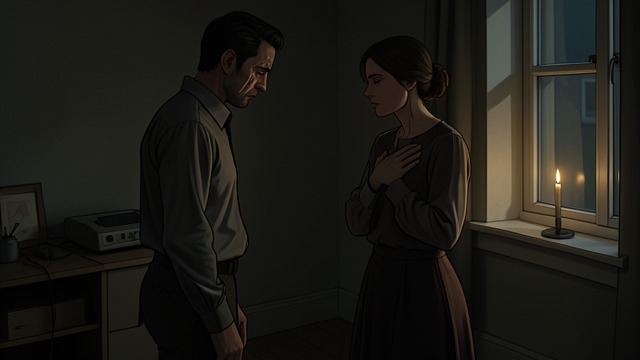
The Irreparable Recognition
The Other Man’s Grief
Marcher sees another mourner’s anguish and understands that genuine love leaves a deep mark. By contrast, his life contains no such wound because he never gave himself to May.
The conflict between dependence and intimacy becomes clear: Marcher wanted May’s attention but did not answer her love. Her death has made the difference permanent.
No Reconciliation Possible
Marcher now sees the life he could have chosen, but cannot restore it. The insight arrives as a final crisis rather than a chance to change.
At Weatherend, during the reunion
Early in their London companionship
During the established London years
A spring afternoon before May’s death
At the final cemetery encounter
